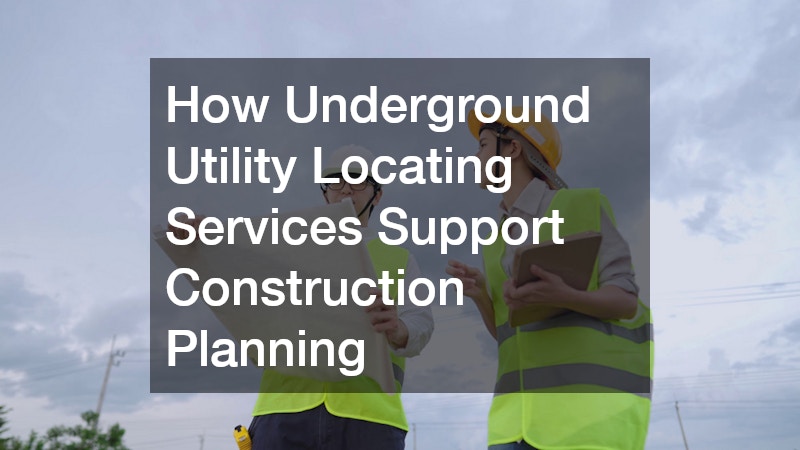

Before construction begins, every project needs a clear understanding of what exists below the surface. Soil conditions, access points, drainage paths and buried infrastructure can all affect how safely work can move forward. That’s why underground utility locating services are such an important part of early construction planning. They help project teams identify hidden utilities before excavation begins, reducing the risk of damage, delays and unexpected changes once crews are already on site.
Improving Site Awareness Before Work Starts
Good construction planning depends on accurate information. While drawings, site plans and council records can be helpful, they don’t always show the full picture. Older properties may have undocumented lines, previous repairs or utility paths that no longer match the original plans.
Locating utilities before digging gives contractors a clearer understanding of site conditions. This can help them decide where trenches, foundations, driveways, landscaping features or drainage systems should be placed. It also gives project managers a better chance to spot potential conflicts before they become expensive problems.
This early awareness is useful for many types of projects, including:
- Residential additions
- Commercial developments
- Roadworks
- Fence installations
- Drainage upgrades
- Landscaping projects
- Utility repairs
Supporting Safer Excavation & Site Management
Excavation can create serious risks when buried utilities aren’t properly identified. A damaged gas line, water main, electrical cable or telecommunications line can create safety hazards for workers, nearby properties and the wider community. Even a small strike can interrupt services or require emergency repairs.
Using underground utility locating services before excavation helps crews approach the site with more confidence. They can mark known utility paths, adjust digging methods and choose the right equipment for each area. In some cases, crews may need to use hand digging, vacuum excavation or other careful methods near marked services.
This preparation can also support clearer communication on site. When utility locations are marked, supervisors can brief workers before excavation begins. Everyone has a better understanding of restricted areas, potential hazards and steps needed to protect existing infrastructure.
Reducing Delays & Unexpected Costs
Construction schedules are often tight. When a crew discovers an unmarked utility during excavation, the project may need to stop while the issue is assessed. This can affect labour scheduling, equipment hire, inspections and subcontractor timelines.
Utility strikes may also lead to repair costs, service interruptions or additional compliance steps. Even when no damage occurs, redesigning part of the project around an unexpected line can still create avoidable delays.
Identifying utilities early helps reduce these risks. It allows builders, engineers and property owners to make informed decisions before materials are ordered or major work begins. A small adjustment during planning is usually easier than a major change after excavation has started.
This can be especially important when projects involve:
- Tight access areas
- Multiple contractors
- Existing buildings
- Public footpaths or roads
- Time-sensitive stages
Helping Contractors Plan Around Existing Infrastructure
Most construction projects need to work around services that are already in place. Water, sewer, stormwater, gas, electricity and communications infrastructure may all run through or near the work area. Knowing where these services are located helps contractors design practical work sequences.
For example, a builder may need to adjust footing locations to avoid an underground line. A landscaper may need to shift irrigation plans. A civil contractor may need to coordinate trenching so it doesn’t interfere with existing services.
This information also helps with staging. Crews can decide which areas should be excavated first, where equipment can safely travel and where temporary access routes should be placed. When utility information is included in planning, it becomes easier to coordinate work across trades.
Strengthening Communication Between Project Teams
Clear communication is one of the most valuable parts of construction planning. Property owners, builders, engineers, surveyors and subcontractors all need access to accurate information. If utility locations are unclear, each group may make different assumptions about what’s possible on site.
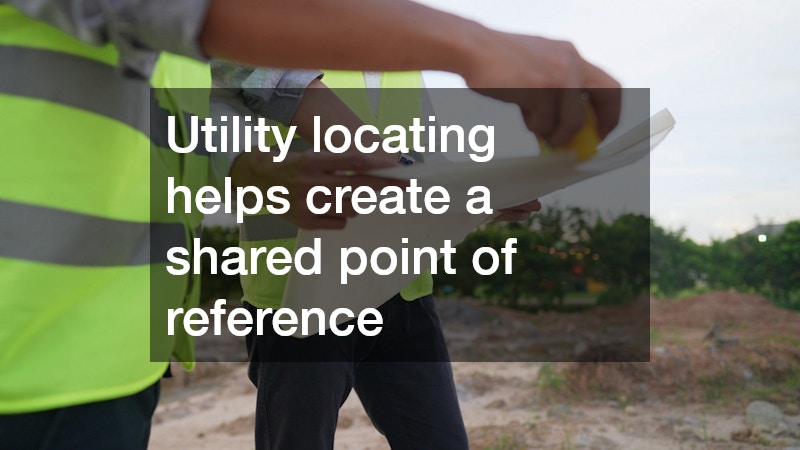
Utility locating helps create a shared point of reference. Markings, reports or site information can be reviewed before work begins so everyone understands the same conditions. This can reduce confusion during meetings, inspections and site decisions. It also helps property owners make better decisions about layout changes, timing and possible risks.
Building More Reliable Project Outcomes
Construction planning works best when teams can make decisions based on accurate site conditions rather than guesswork. Underground utility locating services give builders and property owners important information before excavation begins, helping them protect infrastructure, improve safety and avoid unnecessary disruption.
By identifying buried services early, project teams can plan more carefully, communicate more clearly and respond to potential challenges before they affect the schedule. Whether the project is residential, commercial or civil, this step can support a smoother process from the first stage of planning through to completion.