
What Are the Highlights?
- More usable outdoor space: A pergola creates a defined area for dining, relaxing and entertaining without requiring a fully enclosed extension.
- Improved shade: Carefully positioned overhead structures can reduce direct summer sun and make an outdoor area more comfortable.
- Better visual appeal: The structure can add height, character and a stronger connection between the home and garden.
- Flexible design choices: Timber, steel, aluminium, climbing plants, lighting and adjustable roofing can suit different homes and climates.
- Greater year-round enjoyment: Screens, fans, heaters and suitable roofing can help Australians use the area across changing seasons.
- Practical property improvement: Thoughtful planning can improve everyday liveability while creating an outdoor feature that may appeal to future buyers.
Why Can a Pergola Improve an Outdoor Area?
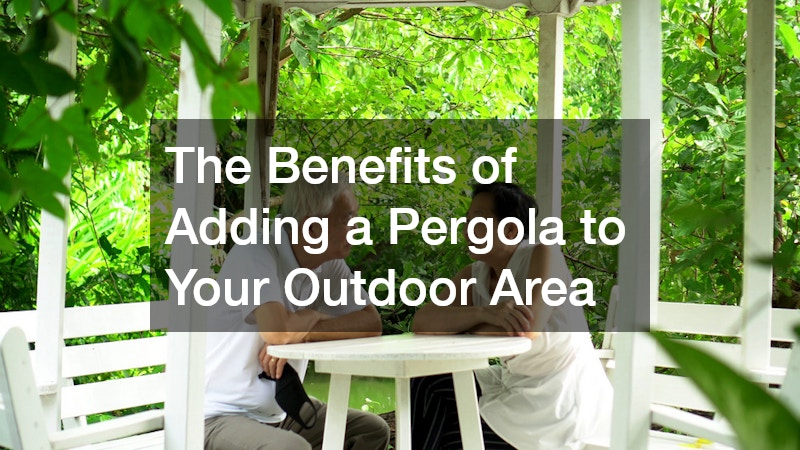
A pergola can turn an exposed yard, patio or poolside space into a more comfortable and purposeful outdoor zone. It provides definition, shade and architectural interest while preserving the open-air feeling that suits the Australian lifestyle.
Unlike a fully enclosed room, the structure creates a natural transition between indoor and outdoor living. Families can use it for weekend lunches, morning coffees, children’s activities or casual gatherings while staying connected to the garden.
How Does a Pergola Provide Useful Shade?
A pergola provides useful shade by interrupting direct sunlight before it reaches seating areas, paving or nearby windows. The protection depends on its orientation, roof design, spacing and materials.
The Australian Government’s YourHome guidance on shading explains that effective shading should respond to a home’s orientation and can improve comfort while reducing energy costs. A well-positioned pergola may help shade outdoor areas and nearby glazing during hotter periods, particularly when its design accounts for the sun’s path.
Shade still shouldn’t be treated as complete sun protection. Cancer Council Australia recommends seeking shade during peak UV periods while also using protective clothing, sunscreen, a broad-brimmed hat and sunglasses.
What Comfort Features Can Be Included?
A pergola can be adapted with practical additions that match the local climate and the household’s needs. The right combination can improve comfort without overcrowding the space.
- Adjustable shade: Retractable canopies, battens or louvres can provide greater control over sunlight and ventilation.
- Weather protection: Suitable roofing, outdoor blinds and side screens can offer shelter from light rain, wind or harsh afternoon sun.
- Lighting: Outdoor-rated pendants, wall lights or subtle strip lighting can extend use into the evening.
- Temperature control: Ceiling fans may improve airflow in warm regions while outdoor heaters can make cooler nights more enjoyable.
- Natural greenery: Climbing plants can soften the structure, provide seasonal shade and connect it visually with the garden.
How Can a Pergola Support Outdoor Entertaining?
A pergola supports entertaining by giving furniture, lighting and cooking zones a clear place within the yard. Guests can gather in an area that feels organised and welcoming rather than sitting in an exposed section of the property.
The structure can accommodate a dining table, outdoor lounge, barbecue station or compact kitchen depending on the space. Good planning should leave enough room for people to move safely between the house, garden and entertaining area.
How Can the Design Complement an Australian Home?
The design can complement an Australian home when its proportions, colours and materials reflect the existing architecture. A slim aluminium structure may suit a contemporary property while timber can add warmth to a coastal, Federation or country-inspired setting.
Several details can help the finished area feel connected rather than added as an afterthought. They should support both the home’s appearance and everyday function.
- Match key finishes: Repeat colours or materials already used in window frames, roofing, decking or fencing.
- Respect the home’s scale: Choose posts, beams and rooflines that don’t overpower the façade or reduce natural light unnecessarily.
- Frame useful views: Position openings to highlight the garden, pool or surrounding landscape while screening less attractive areas.
- Plan the landscaping: Use garden beds, pots and climbing plants to soften hard edges and create an established appearance.
- Keep movement simple: Maintain clear access to doors, paths, steps and outdoor service areas.
Can a Pergola Help With Passive Comfort?
A pergola may support passive comfort when it shades glazing, walls or paved areas that would otherwise absorb heat. This can be useful beside living areas where direct summer sun contributes to indoor heat gain.
YourHome identifies shading as a critical part of passive cooling because glazing can be a major source of heat gain. Results vary by orientation, climate and design, so homeowners should seek professional advice before relying on the structure as an energy-efficiency measure.
What Should Homeowners Check Before Building?
Homeowners should check planning rules, building requirements, structural design, drainage and site conditions before construction starts. Approval requirements vary across Australian states, territories and councils, and exemptions may depend on size, height, location and roofing.
The National Construction Code’s homeowner guidance explains that the NCC establishes minimum standards for safe, comfortable and durable buildings across Australia. Local councils, building surveyors or certifiers can clarify how those standards and local planning controls apply to a proposed pergola.
Homeowners should also consider wind exposure, termite risk, bushfire requirements, coastal corrosion and drainage from any covered section. Materials and fixings suited to local conditions can reduce avoidable maintenance and help the structure perform as intended.
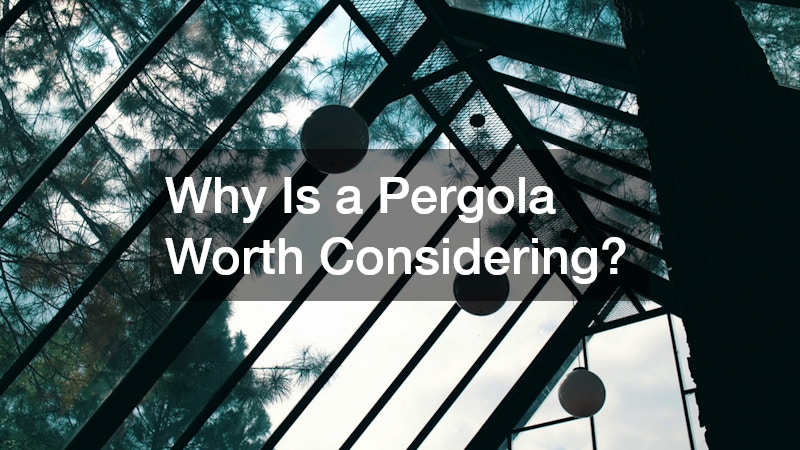
Why Is a Pergola Worth Considering?
A pergola is worth considering because it can deliver immediate lifestyle benefits without removing the openness people value outdoors. When it’s designed around climate, orientation and household needs, it can provide shade, support entertaining and strengthen the connection between the home and garden.
Successful projects balance appearance with practical details such as permits, drainage, durable materials and comfortable movement. With careful planning, a pergola can become a flexible outdoor setting that Australians enjoy throughout the year.