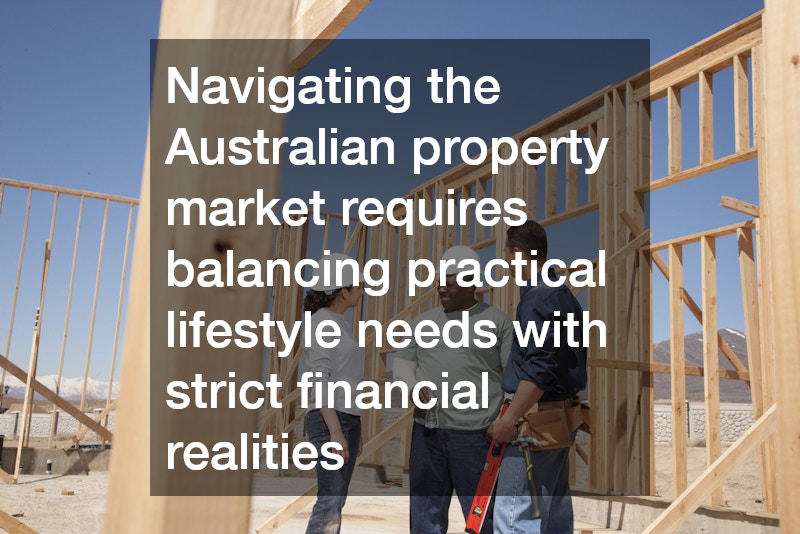

Choosing how to secure your next home is one of the biggest financial decisions you will ever make in Australia. For many buyers, the choice comes down to buying an established property, buying a block of land and finding an independent builder, or opting for a bundled solution. Bundled solutions have skyrocketed in popularity across Australian masterplanned estates because they simplify the entire process.
However, like any major property investment, this path comes with its own unique set of advantages and drawbacks. Before you sign on the dotted line with a developer or builder, it is vital to understand exactly what you are getting into.
Here is a comprehensive look at the pros and cons of buying a house and land package to help you decide if it is the right move for your lifestyle and budget.
Financial Predictability and Transparency
One of the most significant advantages of this purchasing method is upfront pricing clarity. When you buy an established home, you often find yourself locked in fierce bidding wars at auctions, driving the price well beyond your budget. Alternatively, if you buy a block of land independently, you may face unexpected expenses when trying to find a builder who can work with your specific plot. A bundled package combines the cost of the land purchase and the home construction into a clearer, more predictable upfront figure. This transparency makes it much easier to secure pre-approval from Australian banks and lenders, as they can clearly assess the total value of the asset being built.
Massive Stamp Duty Savings
For many buyers, the tax incentives are the ultimate decider. In Australia, stamp duty is generally only payable on the land component of the bundle, not on the house itself, provided construction has not yet started. This is a massive contrast to buying an established home, where you are taxed on the combined value of both the land and the existing building. Saving thousands of dollars on stamp duty frees up valuable capital that you can redirect toward your mortgage deposit, high-quality interior fixtures, landscaping, or a robust smart home automation setup.
Minimal Maintenance and Modern Building Standards
There is an undeniable peace of mind that comes with being the very first person to turn the key in a front door. Brand-new builds require virtually zero maintenance for the first few years, allowing you to avoid the costly surprise repairs that frequently plague older, established properties. Furthermore, new homes are constructed to meet modern Australian building regulations. This means you automatically benefit from superior insulation, structural warranties, and higher energy efficiency ratings, which translate directly into lower quarterly electricity and gas bills.
Limited Customisation and Design Flexibility
While you do get a brand-new home, you generally do not get total creative freedom. Developers offer a set menu of floor plans, facade designs, and material selection boards to keep construction efficient and cost-effective. If you want to move walls, significantly alter the layout, or source bespoke materials outside of the builder’s standard range, you will likely face heavy variation fees. For buyers who want a truly custom, architecturally designed home that reflects a highly specific personal aesthetic, the standardised nature of these packages can feel restrictive.
Hidden Costs and the Trap of “Inclusions”
A major pitfall for unsuspecting buyers is assuming that a package price means a completely finished, move-in-ready home. The initial advertised price often covers standard inclusions, which might feature basic appliances, standard tiling, and fundamental fixtures. Crucial finishing touches—such as driveways, perimeter fencing, clotheslines, landscaping, and premium floor coverings—are sometimes excluded from the base price. Additionally, if the builder encounters unexpected soil issues or sloping ground once they start digging, site costs can escalate quickly if they were not explicitly fixed in your initial contract.
Location and Lack of Established Infrastructure
Because these packages require large tracts of vacant land, they are predominantly located in outer-suburban growth corridors and newly developed masterplanned estates. While these communities are meticulously planned, the physical infrastructure often lags behind the residential construction. Buyers may have to deal with a lack of established public transport, schools, shopping districts, and medical facilities for the first few years of living there. Additionally, outer-suburban locations typically mean longer daily commutes to major central business districts.
Making the Right Decision for Your Future
Navigating the Australian property market requires balancing practical lifestyle needs with strict financial realities. Opting for a combined property bundle streamlines the construction journey, offering a predictable financial framework and excellent tax perks that are especially beneficial for first-time buyers trying to get a foot on the property ladder.
On the flip side, you must be comfortable with the geographic trade-offs and the structured, less-customisable building process. If you value a streamlined journey, clear costs, and a modern, low-maintenance living space, exploring house and land packages is an excellent path forward. To ensure a successful build, always conduct thorough due diligence on your chosen builder, carefully review the fixed-site costs in your contract, and verify exactly what features are included in your final price before signing.